
ICE Service
Research / Training Design / Stakeholder Engagement
Customer
ICR Facility for National Association of Business Women (NABW) of Malawi
Background
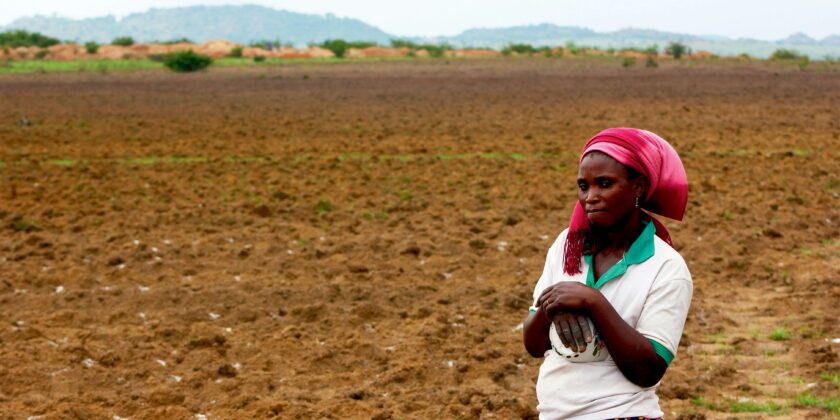
Malawi is one of the most climate-vulnerable countries in the world. It is particularly prone to droughts and floods which have increased in frequency and intensity over the last 20 years. Recently, Cyclones Idai and Freddy. Research has evidenced the negative impact of climate related events on SME. Women-owned businesses are often disproportionately affected by these events and find it more difficult to survive such events and recover from them. This is because they are often smaller, lack resources and operate in the informal sector, and are therefore less likely to be able to implement business adaptation and mitigation strategies including insurance coverage, business risk assessment and management tools. As climate-related events are only likely to increase, there is a clear need to support women-owned businesses to respond more effectively, to become more resilient and to build back better.
New Insights into Enterprise and Entrepreneurship
ICE Principal Consultant Yolanda Gibb and ICE Associate Consultant Juliette Siebold provided technical assistance to the National Association of Business Women (NABW) of Malawi over an 18 month period, assisting women-owned businesses in Malawi to become more resilient and build back better after climate related events, including hurricanes, severe storms, floods, and droughts.
The project was funded by the Investment Climate Reform Facility in recognition of the devastation wrecked by climate events on small, medium enterprises run by women and their significant contribution to the economy. In close consultation and collaboration with NABW, and the British Council, ICE consultants produced:
- A Technical Study ‘Building Back Better after Climate Related Events’ which draws on a quantitative survey of 410 women entrepreneurs, as well as in-depth qualitative interviews and focus group discussions including with local district council officials. The study provides unique insight into the challenges women business owners face and the deficits in the legal and regulatory framework and in the provision of inclusive financial products and services including insurance. This study is being used by NABW and other business associations to advocate for reform and better services.
- A Six-Step Checklist on How to Develop Financial and Insurance Products and Services for Women Entrepreneurs in Malawi using design-led thinking. The checklist is being used by NABW and other business associations in their strategic engagement with finance and insurance providers and Malawi government agencies to ensure the products and services they develop are inclusive and accessible to women business owners.
- A Policy Brief which highlights problems that perpetuate women entrepreneurs’ lack of access to funds to grow their businesses and to rebuild after climate events. NABW is using the policy brief in their strategic engagement with the Government of Malawi, donors and financial institutions and calling on all actors to put the needs of women front and centre to widen financial inclusion and to give them a voice on disaster preparedness committees in the implementation of the legal and regulatory framework and in the development of knowledge and skills transfer programs. Most recently, NABW have called on the Government of Malawi to ensure that women businessowners have greater opportunities for access to public procurement contracts (26 October, 2026).
- Capacity Building for Women Business Owners in Malawi in Risk Assessment and Mitigation for Climate Change Events and Other Shocks.
- Train the Trainer’s Manual. This innovative manual is easy-to-read. It’s designed to help trainers facilitate women business owners articulate and understand the challenges they face from external shocks and in accessing financial services and products. It provides a tool for women to assess their business risks to identify mitigating actions, including through collective adaptive strategies. It explains the role of the financial ecosystem in Malawi and it helps women understand where they need to advocate for better policies and practices.
Get in touch if you would like a copy of any of these outputs from the project – the technical study report, checklist, policy brief or training manual.
Impact
The project has provided NABW and its partners with evidence and tools (technical study report, Gender finance checklist, training manual, policy brief) that they can use to inform policy reforms, support financial and insurance companies to develop suitable products for their members and to assist women-owned businesses to become more resilient and build back better after climate related events. To guide the efforts supporting women owned businesses in Malawi to build back better, an Action Plan serving as a strategic roadmap, outlining concreate actions and key steps for NABW to implement was also produced.